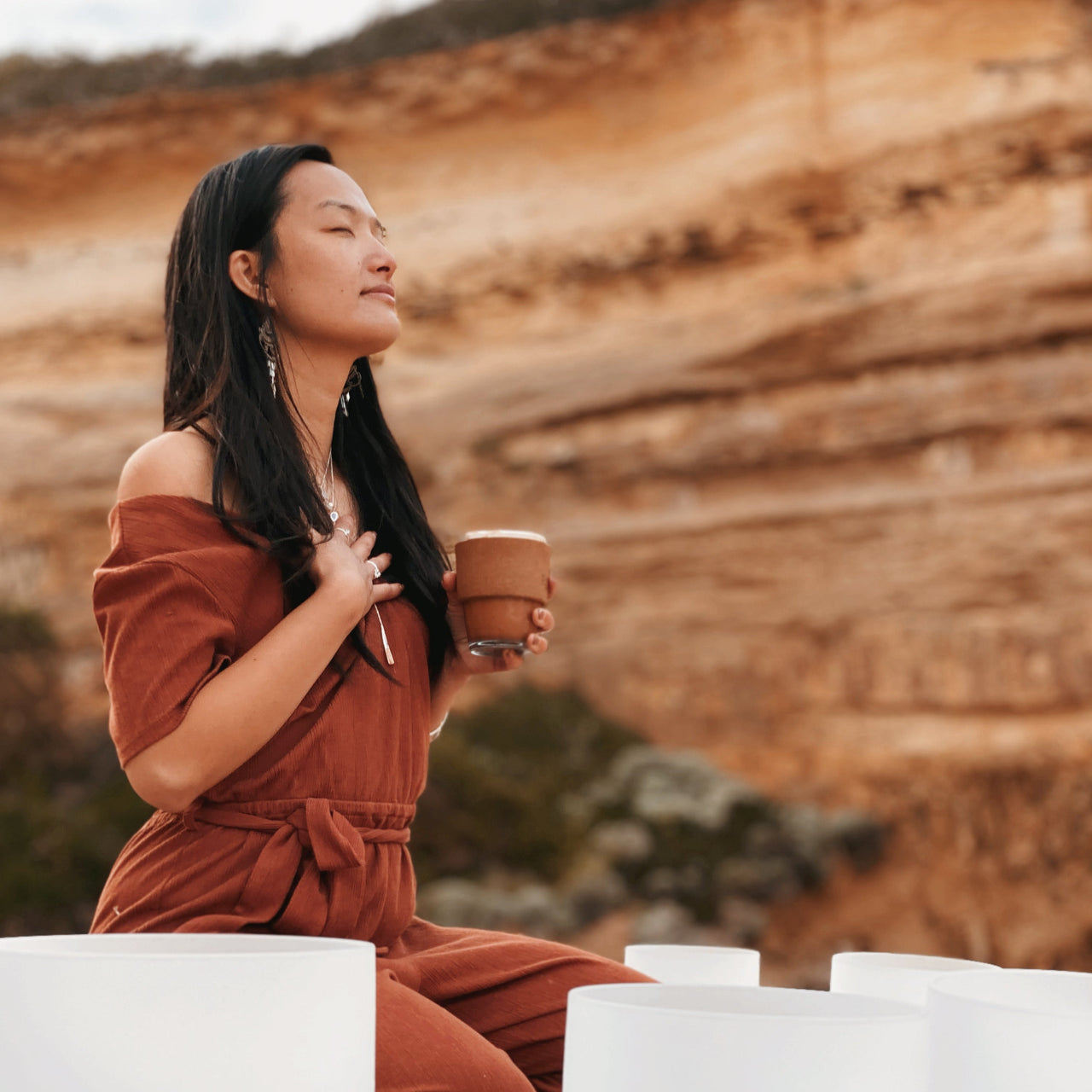









There’s a kind of high that doesn’t come from racing the clock or sipping coffee until your hands shake. It’s gentler. Slower. More whole. I first felt it sitting cross-legged in a circle in Melbourne’s north, a steaming cup of cacao warming my hands while rain pattered on the tin roof above us. The facilitator invited us to breathe, sip, and notice. Within half an hour, I felt different—not in a dizzy, head-spinning way, but more like someone had opened a window in my chest. My heart softened, my mind steadied, and there was a surprising sense of presence.
That’s the “holistic high” cacao offers. It doesn’t yank you into another state—it nudges you, opens you, and grounds you all at once. To really understand this, we need to trace its roots back to the people who first honoured it as more than food.
From Ancient Ceremonies To Modern Wellness
Sacred Roots Of Cacao As Plant Medicine
Long before cacao ended up in our mugs or desserts, it was medicine for the soul. The Mayans called it kakaw and regarded it as a sacred plant gifted by the gods. The Aztecs drank it in rituals to summon clarity, courage, and connection with the unseen. These weren’t casual cups of cocoa—they were intentional, often blended with spices, prayers, and song.
What struck me when I first joined a Mayan-led cacao ceremony in Guatemala years ago was the reverence. The preparation was slow and prayerful. Elders spoke to the cacao as if it were alive, a spirit to be listened to rather than just consumed. That perspective changes everything. You don’t just drink cacao—you enter into a relationship with it.
Unlike stronger plant medicines that can overwhelm, cacao is what’s often called an empathogen. It works through the heart, inviting openness and connection. It doesn’t force visions or take you out of yourself. Instead, it encourages you to feel more deeply—whether that’s joy, grief, gratitude, or love.
Why Cacao Was Called “Food Of The Gods”
The scientific name for the cacao tree, Theobroma cacao, literally translates to “food of the gods.” That wasn’t a throwaway phrase. It reflected the way ancient civilisations experienced it: as something that bridged the human and the divine.
In community gatherings, cacao was central—whether for marriages, seasonal festivals, or political agreements. Sharing a bitter, frothy cacao drink wasn’t about indulgence; it was about weaving social and spiritual threads together. It’s easy to imagine villagers sitting under starlit skies, passing bowls of cacao around the fire, each sip deepening their sense of unity.
When I look at the way cacao is being embraced in modern Australia—in yoga studios in Brunswick, mindfulness circles at CERES in East Brunswick, or small bushland retreats outside Daylesford—it feels like an echo of those traditions. People gather, sip with intention, and use cacao as a doorway into presence and connection.
Cacao’s Physical Benefits For Holistic Wellness
Cardiovascular And Heart-Opening Effects
Every time I drink ceremonial cacao in a circle, I notice the warmth first. It begins in the chest, radiating like a gentle fire. Science backs this sensation: flavonoids in cacao help relax blood vessels and improve circulation, while theobromine works as a vasodilator, encouraging blood flow to the heart.
That’s why many describe cacao as “heart-opening.” It isn’t just a poetic phrase. The very chemistry of the plant supports both physical heart health and the emotional experiences we associate with it. I’ve seen people, mid-ceremony, place a hand over their chest and whisper, “I feel it opening.” It’s as if body and spirit are working in tandem.
Cacao As A Nutrient Powerhouse
Cacao isn’t just about feeling good in the moment. It’s a long-term ally for the body. It’s one of the richest natural sources of magnesium, essential for muscle relaxation and nervous system health. Add to that iron, zinc, copper, potassium, and B vitamins, and you’ve got a food that nourishes on many levels.
To put this in perspective, here’s a snapshot comparison:
|
Nutrient |
Role in the Body |
Cacao (per 100g ceremonial paste) |
Comparable Food Source |
|
Magnesium |
Calms the nervous system, supports sleep |
~499mg |
Spinach (~79mg per 100g) |
|
Iron |
Oxygen transport, blood health |
~13.9mg |
Red meat (~2.6mg per 100g beef) |
|
Potassium |
Fluid balance, muscle function |
~715mg |
Banana (~358mg per 100g) |
|
Zinc |
Immune support, wound healing |
~6.8mg |
Pumpkin seeds (~7.8mg per 100g) |
|
Calcium |
Bone strength, nerve signalling |
~128mg |
Milk (~125mg per 100ml) |
Seeing the numbers side by side, it’s clear why many in the wellness community refer to cacao as a superfood. It’s not hype—it’s measurable nourishment.
Anti-Inflammatory And Antioxidant Protection
When I’m leading a ceremony in Melbourne through the cooler months, I often remind participants that what they’re sipping isn’t just comforting—it’s protective. The flavanols and polyphenols in cacao help reduce inflammation and oxidative stress. That means more support for the immune system and a buffer against the daily wear and tear of urban living.
For someone juggling long commutes, office air-conditioning, and the city’s endless colds, cacao can be a quiet yet powerful ally. Unlike supplements that feel like chores, drinking cacao is enjoyable, ritualistic, and rooted in ancient tradition.

Cacao As A Natural Mood Booster And Emotional Healer
The “Feel-Good” Chemistry Behind Cacao
I’ll never forget sitting in a Sunday circle in Fitzroy, sipping cacao while a local musician played soft guitar. Within minutes, I felt lighter—like a fog had lifted. That wasn’t just atmosphere. It was biochemistry in action.
Cacao is packed with compounds that nudge the brain into releasing its own feel-good messengers:
- Serotonin: boosted through tryptophan, supporting steady mood and restful sleep.
- Phenylethylamine (PEA): the so-called “love molecule,” sparking joy and gentle excitement.
- Anandamide: literally the “bliss molecule,” promoting relaxation and a sense of contentment.
Unlike synthetic stimulants that hijack your system, cacao works with your body. It coaxes, rather than forces. The result is a natural mood boost—calm yet euphoric, grounded yet expansive.
Stress Relief And Relaxation Through Cacao
Life in Melbourne can feel full throttle. Between peak-hour traffic on the Monash, back-to-back work calls, and that endless to-do list, it’s no wonder so many of us feel stretched thin. Cacao offers a pause button.
Magnesium—the mineral most of us are lacking—works quietly in cacao to ease muscular tension and soothe the nervous system. Combined with the ritual of drinking something warm and earthy, it signals the body to slow down.
I’ve seen this first-hand. At the start of a session, participants often fidget, check phones, or carry visible stress. By the end, shoulders have dropped, breathing deepens, and conversations turn from rushed to reflective. The shift is palpable.
Cacao As A Heart-Opening Practice For Connection
Ask anyone who’s sat in a cacao circle, and you’ll hear the same phrase: “It opened my heart.”
That heart-opening effect isn’t just metaphorical. The increased blood flow, combined with cacao’s mood-enhancing chemistry, fosters vulnerability and connection. People laugh more easily. Tears come without shame. Words flow with honesty.
A local example stands out: during a women’s circle in Daylesford, one participant shared that drinking cacao helped her release grief she’d held for years after losing a sibling. She said the warmth in her chest made it safe to finally speak what had been locked away. That’s emotional healing in action—gentle, supported by community, and catalysed by a plant that’s been guiding humans for millennia.
The Spiritual High: Cacao For Mindfulness And Meditation
Cacao As A Bridge Between Body, Mind, And Spirit
There’s something profound about sipping cacao in silence before meditation. Unlike coffee, which shoots the mind into overdrive, cacao anchors you. I remember leading a small gathering in the Dandenong Ranges—mist still clinging to the trees—where participants drank cacao before sitting in meditation. People later shared they felt more “in their body,” as if thoughts and breath had finally synced.
This is the bridge cacao builds: physical warmth, mental clarity, and emotional openness aligning into one steady state. It doesn’t push you into transcendence—it holds you steady so you can walk yourself there.
Ritual, Breath, And Inner Peace
In Melbourne’s fast-paced rhythm, we don’t often slow down enough to notice how we drink. A rushed coffee in a keep-cup at Southern Cross Station is worlds apart from stirring cacao slowly, whispering an intention, and sipping with presence.
Pairing cacao with meditation is simple:
- Prepare a warm cup of cacao.
- Set an intention—something as modest as “I want to listen” or “I want to soften.”
- Sit with your breath for at least 10–15 minutes while drinking slowly.
Many people find this practice reduces chatter in the mind and brings a grounded sense of peace—something far more sustainable than fleeting highs.
Stories From Ceremony
One of the most moving moments I’ve witnessed happened during a community cacao gathering in Collingwood. After drinking, a man who’d never meditated before said: “For the first time in years, I felt quiet inside.” He described it as a spiritual high—not a buzz, but a state of stillness that lingered long after the session ended.
These stories echo what Indigenous cultures have always known: cacao supports inner peace, creative insight, and connection with something greater than ourselves. For some, that’s spiritual. For others, it’s simply being more present with their own life. Either way, it’s a high that doesn’t fade when the cup is empty.
Cacao For Energy, Focus, And Conscious Living
A Gentle Lift Compared To Coffee
I’ve often swapped cacao for my morning flat white, especially during Melbourne’s colder months when the chill creeps into your bones. The difference is striking. Coffee jolts you awake but can leave you jittery, while cacao rises more slowly—like the sun warming a winter morning.
That’s thanks to theobromine, cacao’s primary stimulant. It’s absorbed more gradually than caffeine, creating steady, sustained energy without the crash. And while coffee can spike cortisol (our stress hormone), cacao often lowers it, leaving you energised yet calm.
Here’s a simple comparison:
|
Effect |
Cacao (ceremonial) |
Coffee |
|
Main stimulant |
Theobromine (mild, slow-release) |
Caffeine (fast, intense) |
|
Energy profile |
Gentle, sustained lift |
Sharp spike, then crash |
|
Nervous system impact |
Calming, heart-opening |
Stimulating can raise anxiety |
|
Nutrient contribution |
Rich in minerals, vitamins, and flavonoids |
Minimal beyond antioxidants |
|
Emotional effect |
Grounded, compassionate focus |
Alert, sometimes restless |
When I’m guiding meditation or ceremony, cacao is the clear choice. It sustains presence rather than scattering it.
Enhancing Clarity And Cognitive Function
Beyond the steady energy, cacao supports sharper thinking. The flavanols improve blood flow to the brain, boosting memory, focus, and problem-solving. I’ve felt this during long writing days—when the words come more fluidly, without the scattered leaps of thought I get after too much caffeine.
Long-term, researchers are finding links between cacao flavanols and protection against age-related cognitive decline. For those of us planning to keep our minds agile into our later years, that’s no small gift.
Conscious Consumption For Sustainable Energy
Here in Australia, conversations about conscious living are growing—whether at CERES markets, yoga retreats in Byron, or wellness events around Victoria. Choosing cacao over coffee isn’t just about personal well-being; it’s also a shift in how we engage with energy.
Instead of chasing quick fixes, cacao invites us to slow down, savour, and honour the source of our focus. I often tell participants: “It’s not just about what you drink—it’s about how you drink it.” With cacao, that mindful sip becomes part of the medicine.

What Makes Ceremonial Cacao Unique?
Traditional Preparation And Minimal Processing
The first time I tasted true ceremonial cacao, I was surprised by how earthy and full-bodied it was compared to the hot chocolates I grew up with. The difference lies in how it’s made. Ceremonial cacao is fermented, sun-dried, and only lightly roasted. This minimal approach keeps its natural oils, phytonutrients, and complex flavours intact.
In practical terms, this means more magnesium for calming the body, more antioxidants for resilience, and more of the “spirit” of the plant present in the cup. You’re not just drinking a sweet treat—you’re partaking in a lineage of preparation that honours both flavour and energy.
Ethical And Sustainable Sourcing
One of the things I value most about ceremonial cacao is knowing where it comes from. Many batches are grown by Indigenous communities who treat the plant as part of their cultural fabric. Unlike mass-market cacao, which is often grown in industrial settings with questionable labour practices, ceremonial cacao tends to come from small-scale, sustainable farms.
During a trip to Peru, I visited farmers who explained how they planted cacao alongside other native trees to keep soil healthy and ecosystems balanced. That stuck with me. When we drink cacao with awareness, we’re not just nourishing ourselves—we’re supporting families, traditions, and environments that depend on respectful stewardship.
Intention As Part Of The Medicine
What really makes ceremonial cacao unique, though, is the way it’s approached. Intention is woven into every stage—from cultivation, to grinding, to preparation, to the moment it touches your lips.
When I lead circles in Melbourne, we take time before drinking to set a personal intention. It might be healing, clarity, or simply gratitude. Participants often say that this practice changes the entire experience—suddenly the cup becomes a mirror, reflecting what they most need to see.
By contrast, most commercial chocolate is stripped of both nutrients and spirit. It’s designed for consumption, not connection. Ceremonial cacao asks us to slow down, to listen, and to honour. That’s the difference—and it’s why the “holistic high” is so much deeper when cacao is prepared with respect.
Cacao is far more than a comfort drink. From its ancient role as a sacred plant medicine to its modern use in meditation circles across Australia, it offers something rare: a high that touches body, mind, and spirit at once. The magnesium calms the nervous system, the theobromine sustains energy without jitters, and the unique compounds lift mood while opening the heart.
What makes it truly special is the way it’s prepared and shared—with reverence, intention, and community. Whether in a quiet morning ritual at home or gathered with others in ceremony, cacao reminds us to pause, connect, and experience life with more presence.
Learn more about the Sacred Full Moon Party and hear what people are saying.
Stay up to date with our upcoming events by signing up to our newsletter and connecting with us on social media.
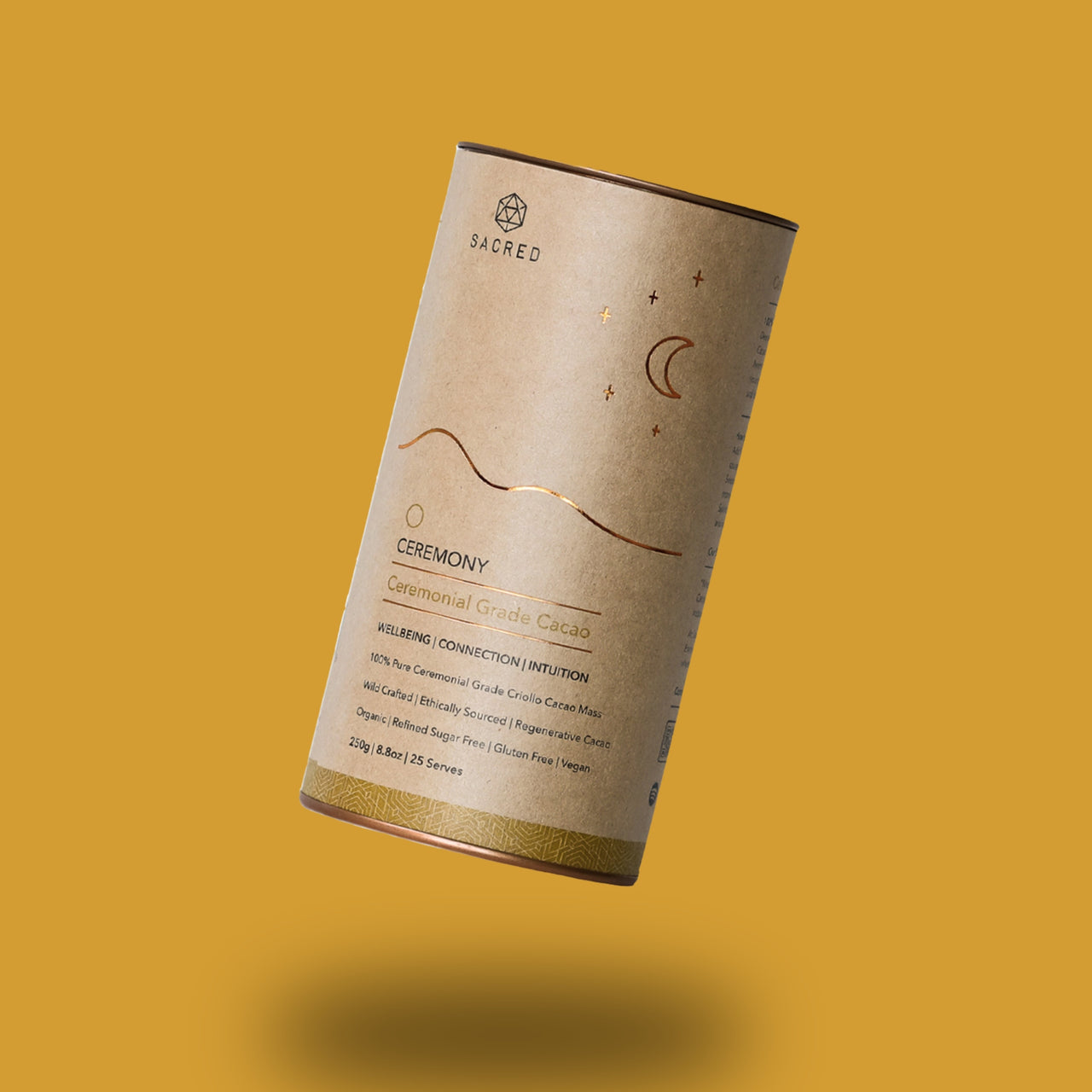
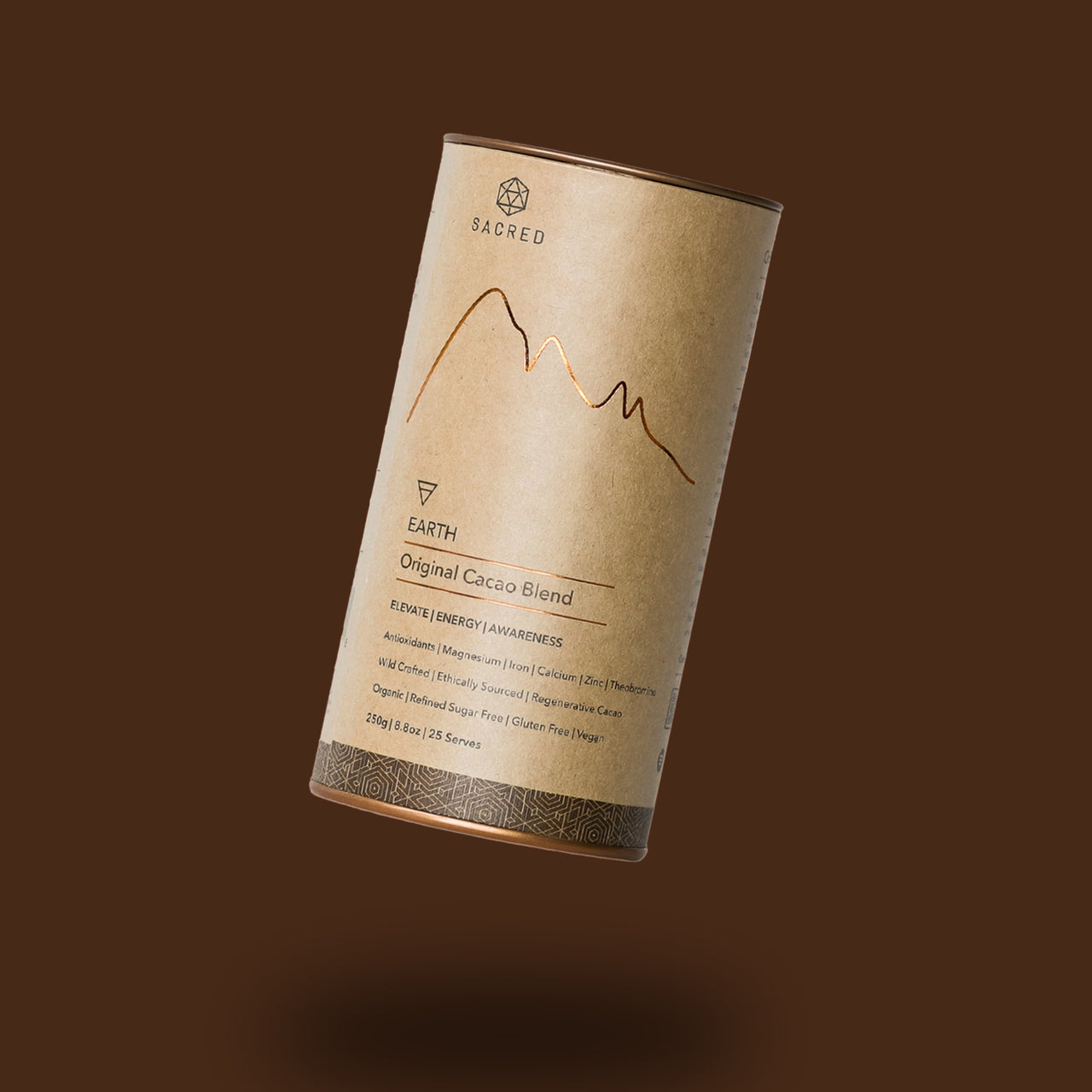
Shop Sacred Cacao here!